
Build an approval‑ready credit profile
Understand what’s driving your credit decisions, identify items that may be unfair or inaccurate, and take a structured next step toward stronger approvals and better terms.
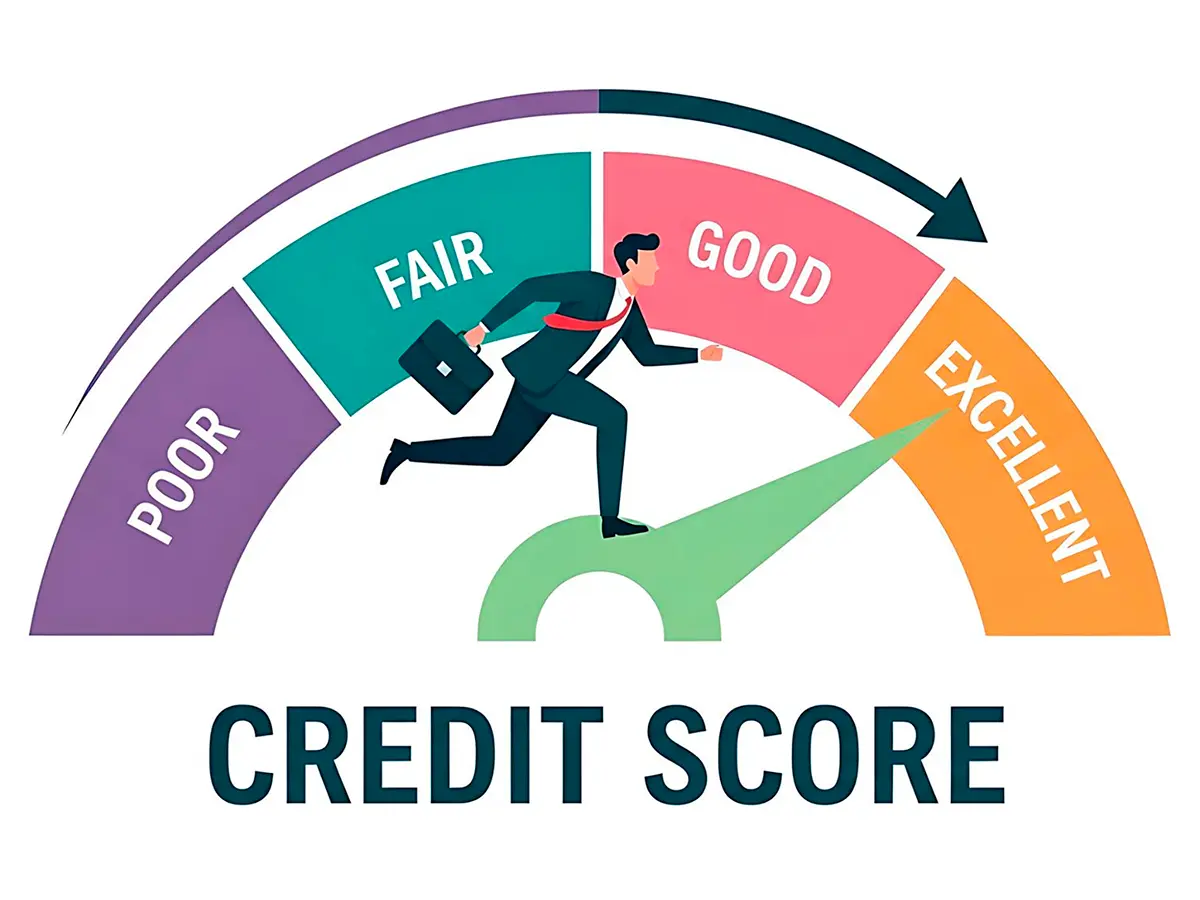
Built around established U.S. credit reporting practices and dispute procedures under the Fair Credit Reporting Act (FCRA). No unrealistic promises—just clarity, documentation, and structured credit improvement.
Unlock more options
Choose the outcome you care about. We’ll outline what improves it—and what to watch for—so you can move forward with confidence.
Your path to stronger credit
A stronger credit profile can mean better approval odds, improved loan terms, and more financial flexibility. Get a clear, no-fluff overview of what credit improvement can help you achieve — then take the next step when you're ready.
Credit decisions in the U.S. are typically influenced by payment history, utilization ratios, account age, recent inquiries, and the accuracy of reporting across major credit bureaus.
Even small inconsistencies can affect lending algorithms. A structured credit improvement approach focuses on verified data, responsible usage patterns, and consistent financial behavior.
*Results vary. This page does not guarantee outcomes.
How it works
A straightforward workflow used by reputable credit‑support programs: review, challenge what’s questionable, and build stronger habits while updates are processed.

Review your starting point
Clarify your goal and look at what’s currently affecting approvals and terms.

Identify what can be challenged
See what information is typically needed, what to expect next, and how the workflow usually looks.

Move forward
Continue to explore available options and take the next step toward better credit outcomes.
credit repair arkansas: expectations, steps, and realities
What credit repair means - and what it doesn't
Credit repair focuses on correcting errors, negotiating fair outcomes, and building positive history over time. It is not a magic eraser. Accurate late pays and collections generally stay for years, though their impact fades as new, on-time data accumulates. Set a clear plan: verify what's reporting, fix what's wrong, and strengthen what's weak. Expectation: cleaner reports and steadier scores. Result: measurable improvement in months, not days, with the biggest gains tied to consistent payment and lower balances.
Arkansas context at a glance
Across Arkansas, medical collections and utility accounts often surface on reports, especially in smaller markets where a single provider serves most residents. Local credit unions in Little Rock, Fayetteville, Jonesboro, and Pine Bluff frequently offer starter cards and share-secured loans that can jump-start responsible history. State consumer protections apply, and the time limit to sue on debts varies by type; many fall in the three-to-five-year range - verify current rules before acting. The Arkansas Attorney General's Consumer Protection Division is a practical first stop for guidance and complaints.
A step-by-step path that fits most households
- Pull all three reports. Check Equifax, Experian, and TransUnion; entries can differ. Expectation: a few surprises. Result: a prioritized repair list.
- Dispute clear inaccuracies. Wrong balances, duplicate collections, or mixed files should be challenged in writing; furnishers typically have 30 - 45 days. Result: deletions or corrections that can lift scores quickly.
- Validate collections before paying. Ask for details in writing; pay only verified debts, and get terms documented.
- Negotiate, don't overpromise. Lump sums may earn better settlements; if you need a plan, keep it affordable to avoid redefault.
- Build fresh positives. Consider a secured card from an Arkansas credit union, add on-time cell or rent reporting, and keep utilization under 30% (under 10% is stronger).
- Stabilize habits. Autopay minimums, calendar due dates, and avoid new hard inquiries unless they clearly help your mix.
A quick, real-world moment
At a Little Rock credit union, a member spotted a duplicate medical collection after a move between clinics. A written dispute with supporting statements cleared the duplicate within a month. Expectation: small lift. Result: a 34-point gain, then another 12 points after utilization dropped the next cycle.
Timelines and outcomes
Disputes often resolve in 30 - 45 days. Modest score bumps arrive early when errors are fixed; larger, steadier gains usually show after three to six months of on-time payments and lean balances. Twelve months of clean history can outweigh older negatives. If a debt is accurate, removal is unlikely - the strategy is mitigation: aging, balance reduction, and stronger positives to dilute the impact.
Signals you're making progress
- Fewer derogatories or corrected balances
- Credit utilization trending down
- No new late payments
- Score volatility calming month to month
- Better loan terms from local lenders
Choosing help or going solo
Many Arkansas consumers manage repairs themselves with templates, documentation, and patience. Nonprofit credit counseling can help with budgeting and creditor outreach, while for-profit services should be vetted for clear contracts and realistic claims. Look for transparent fees, no pressure, and timelines that match the process above. Expectation: guidance and structure. Result: accountability that supports steady, verifiable changes.
Credit repair in Arkansas works best as quiet, consistent maintenance: verify, correct, and keep paying on time. Keep expectations measured, track results monthly, and use local resources to make each step easier and more durable.
Top Rated Credit Repair Little Rock, Arkansas. Five star reviews. With thousands of happy clients on Google, Facebook, TrustPilot, and more, you will not find ...
Credit repair in Arkansas by the trusted leaders, Lexington Law. For problems with your credit report, turn to the legal professionals for help.
Since 1995, non-profit Credit Counseling of Arkansas (CCOA), Inc. has helped thousands of families nationwide master their personal finances.
Frequently asked questions
A clear next step — without the guesswork
See what’s impacting approvals and what may deserve a closer look.
Understand how disputes are structured and what documentation matters.
Improve utilization, consistency, and long-term credit stability.
See what improving your credit could change
Take a structured next step based on your current profile — and decide with clarity.